
For two American brothers and two Tanzanian “sisters,” it started with a raise of the hand
Guest post by venturer Bob Morris
We were cold, exhausted and struggling to breathe.
My brother John and I had awakened just before midnight and climbed in darkness for nearly seven hours, following the slow rhythm taught by our Tanzanian guides.
“Pole, pole.” Slowly, slowly.
A few inches at a time. Don’t look too far ahead. Just keep moving.
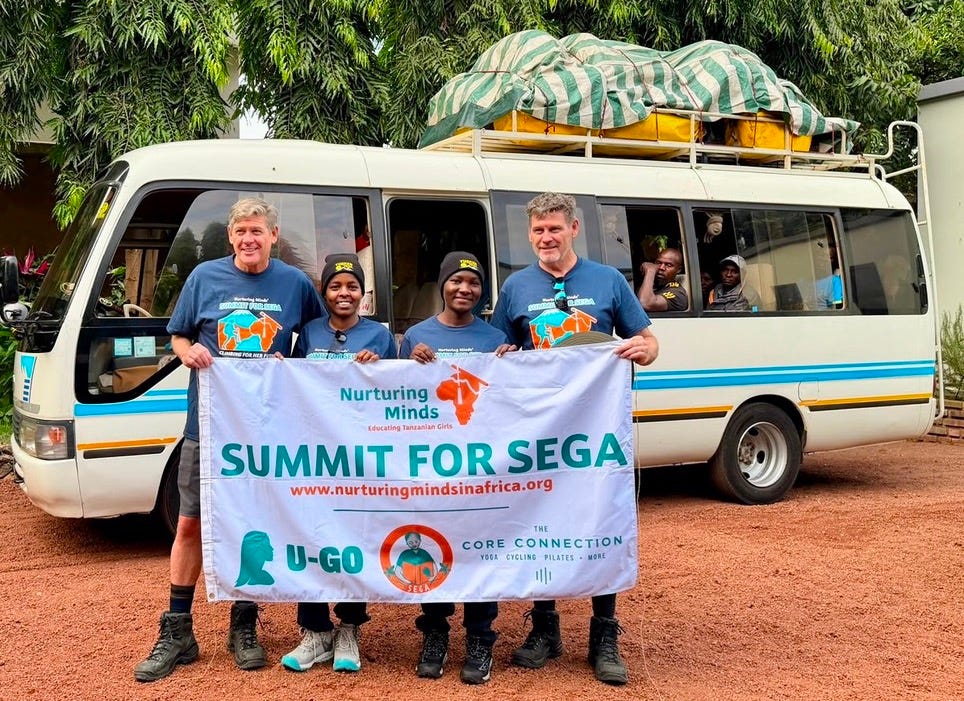
Climbing with us were Tanzanians Rebecca and Loveness—graduates of SEGA Girls’ Secondary School and U-GO scholars. They were struggling too. Over six days, both battled altitude sickness but kept putting one foot in front of the other.
Finally, we reached Stella Point at 18,885 feet. We were close—but Uhuru Peak, the summit of Kilimanjaro, was still nearly 500 vertical feet higher.
Loveness needed supplemental oxygen. We rested and hoped she would recover. Eventually, our guides decided the rest of us should continue. Rebecca, John and I started toward Uhuru Peak, with Rebecca leading the way. We didn’t know whether Loveness would be able to follow.
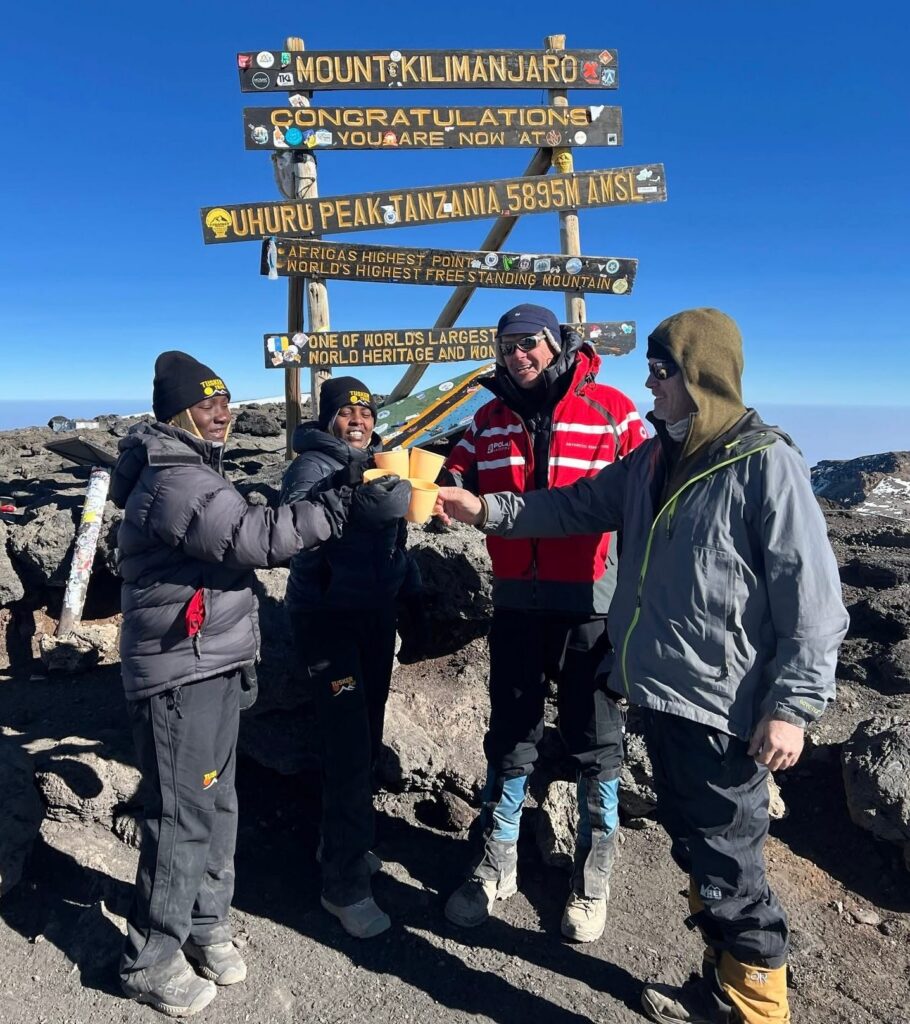
Nearly an hour later, we reached the famous wooden sign marking the highest point in Africa. We looked back—and there was Loveness. Pole, pole.
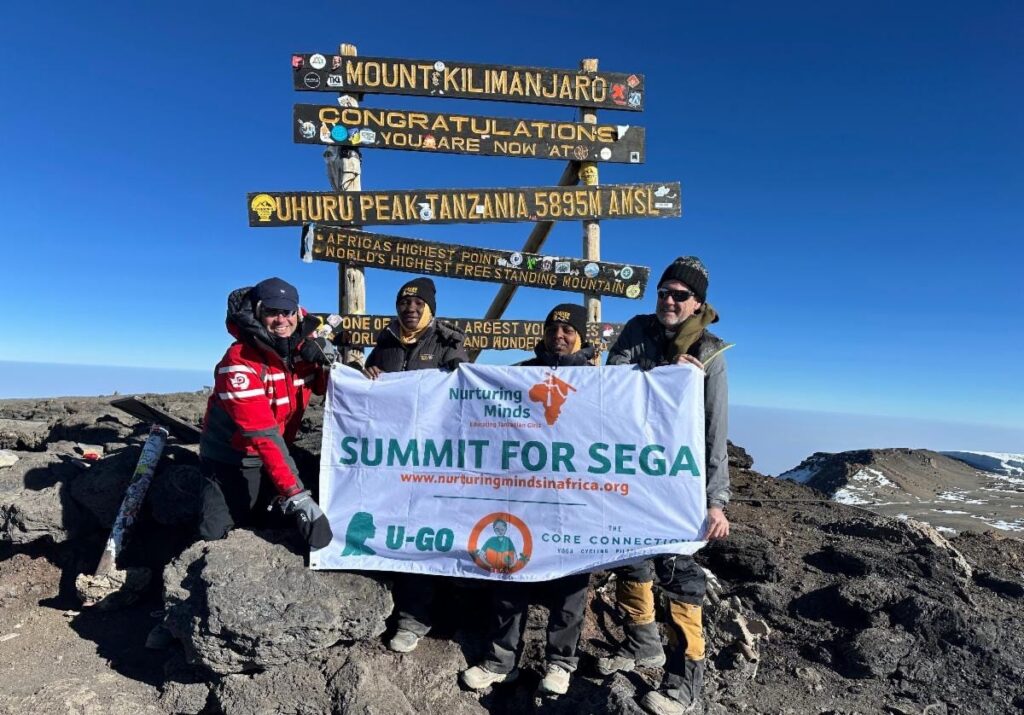
The four of us stood at the 19,341 feet summit. We hugged. We cried. I asked Rebecca and Loveness if they wanted to record a video. Their exhaustion seemed to disappear.
Rebecca stepped in front of the Kilimanjaro Summit sign. I held my phone with hands shaking from the cold.
“Do you need a minute to think about what you want to say?” I asked.
“I know what I want to say.” She looked into the camera.
“Girls can do anything! Invest in girls, and you will see.” (videos)
Rebecca and Loveness had been friends since primary school. Both earned scholarships to attend SEGA Girls’ Secondary School in Tanzania. This fall, they each begin university on a U-GO scholarship.
Neither had ever climbed a mountain. Before that week, neither had worn hiking boots.
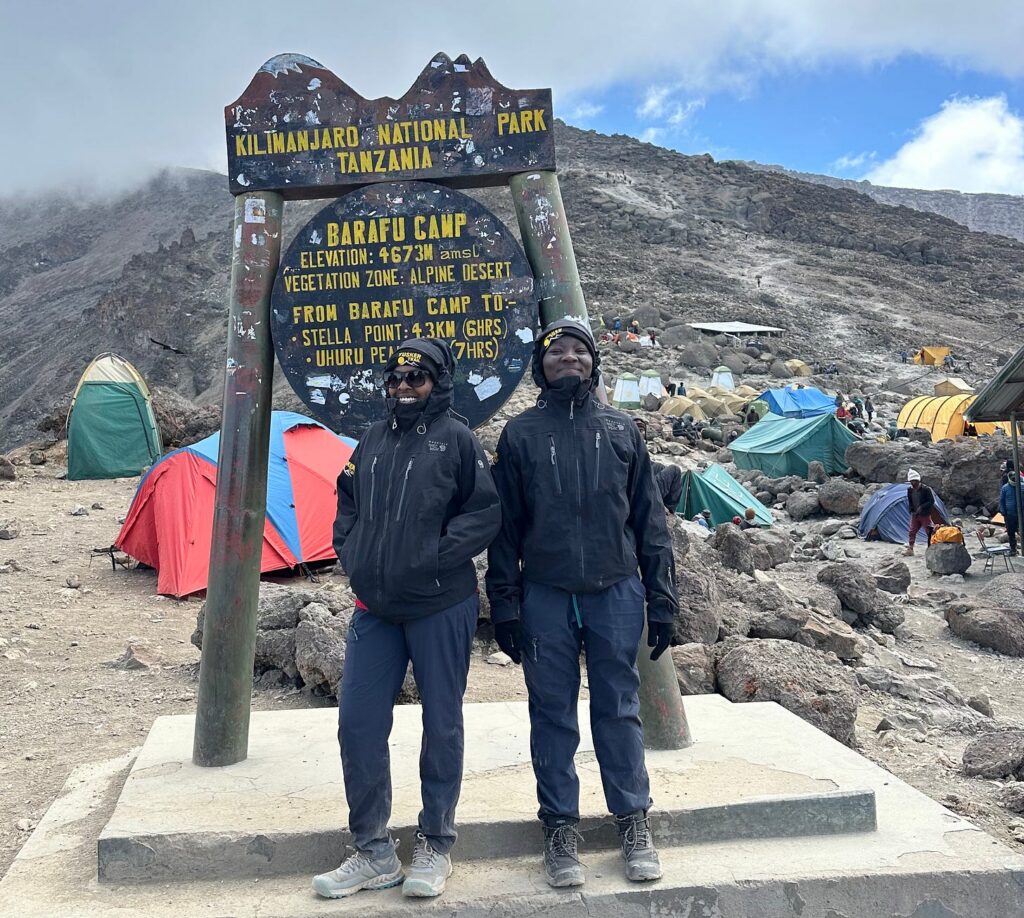
When outfitter Tusker Trail offered two graduates the opportunity to climb Kilimanjaro, SEGA asked for volunteers.
Two hands went up. One was Rebecca’s. The other belonged to Loveness. Neither knew the other had volunteered.
Over seven days on Kilimanjaro, John and I got to know Rebecca and Loveness.
Most mornings, we woke to them singing in their tent—sometimes Tanzanian songs, sometimes K-pop. They even tried to teach us the lyrics to The Lion King.
We talked about their childhoods, families, education and dreams. Rebecca wants to become a doctor, and Loveness an attorney. Neither talked about education simply in terms of what it could do for her. They talked about what they could someday do for their families and communities.
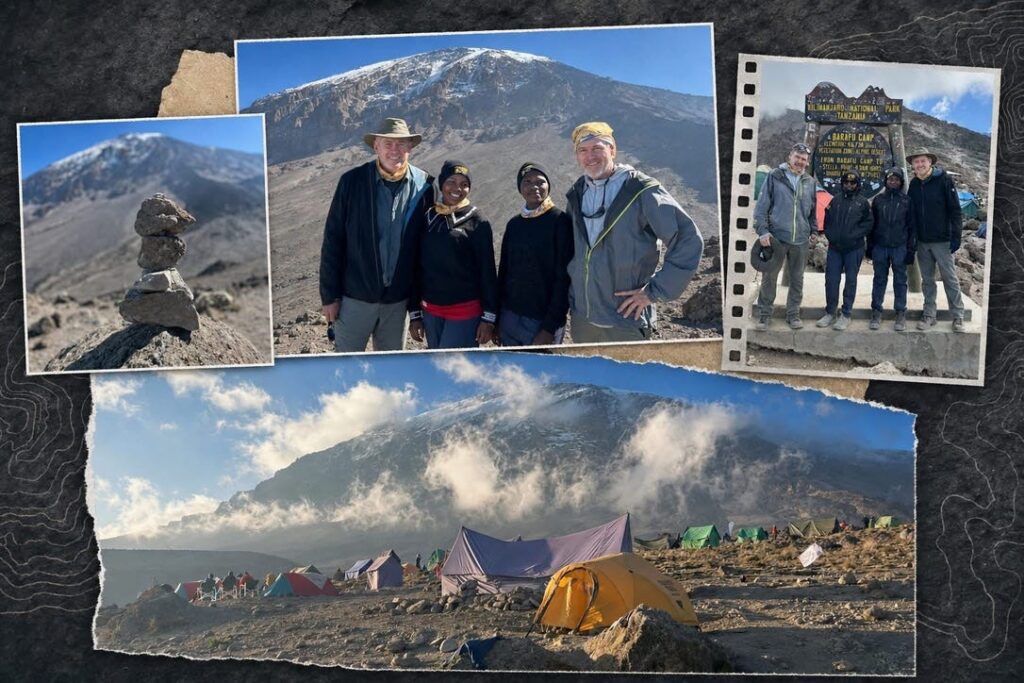
Our Tanzanian guides and porters were proud to climb with them. Other climbing teams noticed them, too. They shared high-fives and encouragement to their Tanzanian dada—their sisters.
Rebecca and Loveness became the celebrities of the mountain.
My Kilimanjaro journey began a year earlier at a U-GO gathering in Vietnam. My wife Jodi and I are supporters of both U-GO and SEGA. When we heard about the plans for Summit for SEGA, Jodi—who climbed Kilimanjaro herself 25 years earlier—encouraged me to do it.
I said yes.
Originally, I had no shortage of potential climbing partners. Then one by one, they dropped out. As the sole climber left, the trip was in jeopardy of being cancelled. I called my brother John. He had already told me no—he hates the cold, and had no interest in traveling to Africa.
This time, he said yes.
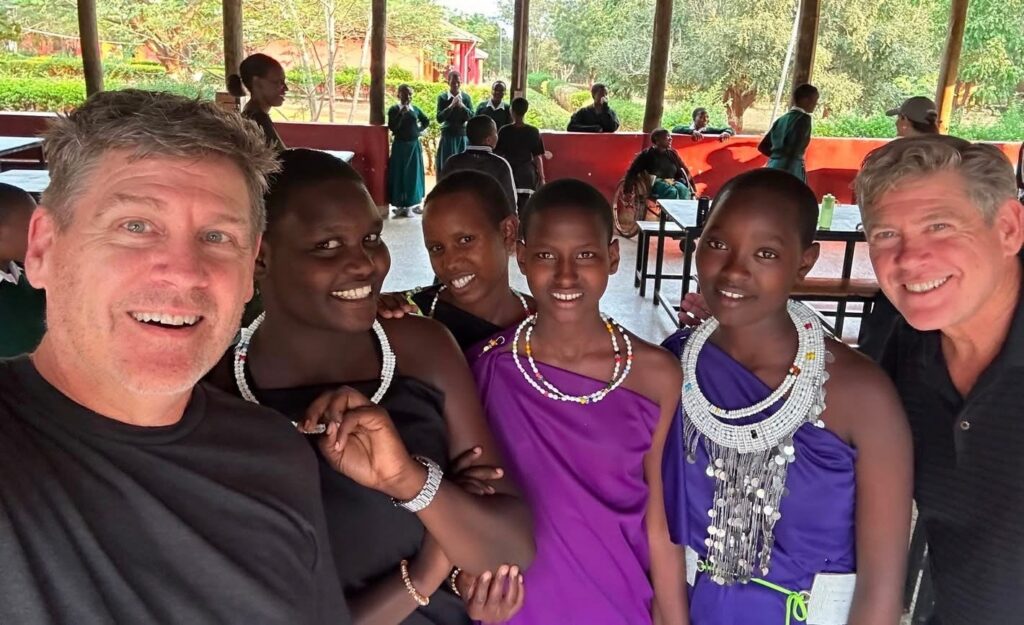
Some of our favorite experiences were beyond the mountain. Before our climb, John and I spent several days at SEGA. When I introduced my brother as “Dr. John Morris”to the 260 girls assembled to welcome us, they erupted in cheer. John didn’t know what to do. It was among his many out-of-comfort-zone moments on his first trip to Africa.
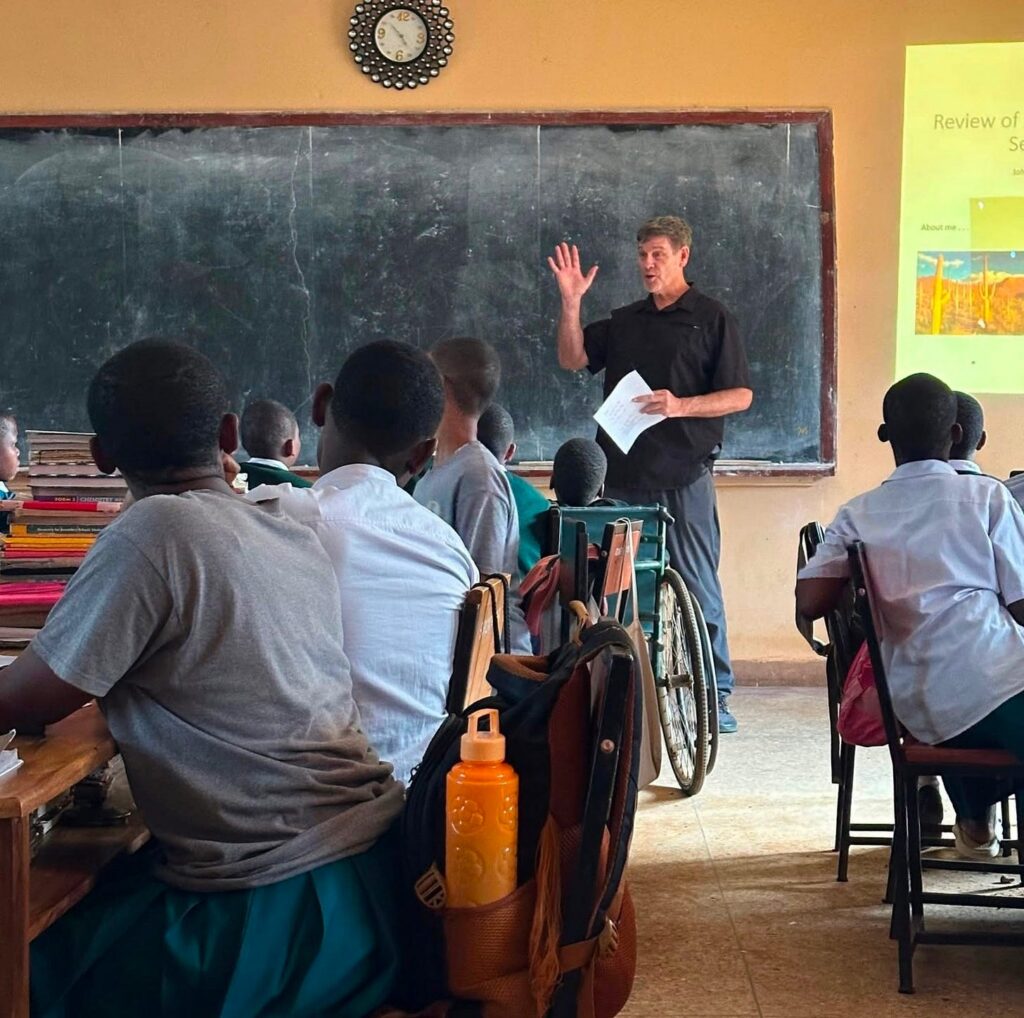
But he looked right at home in the classroom. Because John has a PhD in electrical engineering, SEGA invited him to teach a mathematics class on series and sequences. I sat in the back and watched. In the front, a student raised her hand. “Dr. Morris, you forgot the negative sign.”
John looked at the board. She was right. “Proving that even teachers can make mistakes.” Everyone laughed. One of the girls later told a SEGA staff member that John’s class had inspired her to focus in mathematics.
My out-of-comfort-zone experience was my pre-trip fundraising in support of SEGA. This was my first time leading such an effort. I set a lofty goal of raising $19,341—the height of Kilimanjaro. Through the generosity of friends, family and U-GO’s matching support, I not only reached my goal, but surpassed it.
That I could introduce my brother to all of these experiences which have grown to be such a large part of my and Jodi’s life was my favorite part.
Rebecca and Loveness, John and I—we were all there because we said yes.
It’s how meaningful things often begin. A school identifies a promising young woman. A supporter funds a scholarship. A climber organizes a fundraiser. A volunteer offers his time. A young woman is given an opportunity—and raises her hand.
We don’t always know where saying yes will lead.
So when the opportunity comes to participate, contribute, fundraise or simply step outside your comfort zone, my advice is simple: just say yes.
You may be surprised where it takes you.
Did you know that you could join a 2027 climb of Mt. Kilimanjaro with two SEGA graduates and esteemed outfitter Tusker Trails? Read more about Rebecca, Loveness, John & Bob’s story and indicate your interestabout learning more about a future climb.
Discover more from Jodi Morris
Subscribe to get the latest posts sent to your email.
