
The least interesting thing about the Camino is where you’re going
“I’m taking these last few kilometers really slow, too. In some ways, I’m excited to reach the end. I also don’t want it to end.”
I’ve stopped for a swig of water. The two women I am nonchalantly inching toward seem excited to reunite. Who knows when they last met—yesterday or weeks ago.
Their words are exactly what I am feeling. My exercise in eavesdropping is just another distraction to excuse my procrastination.
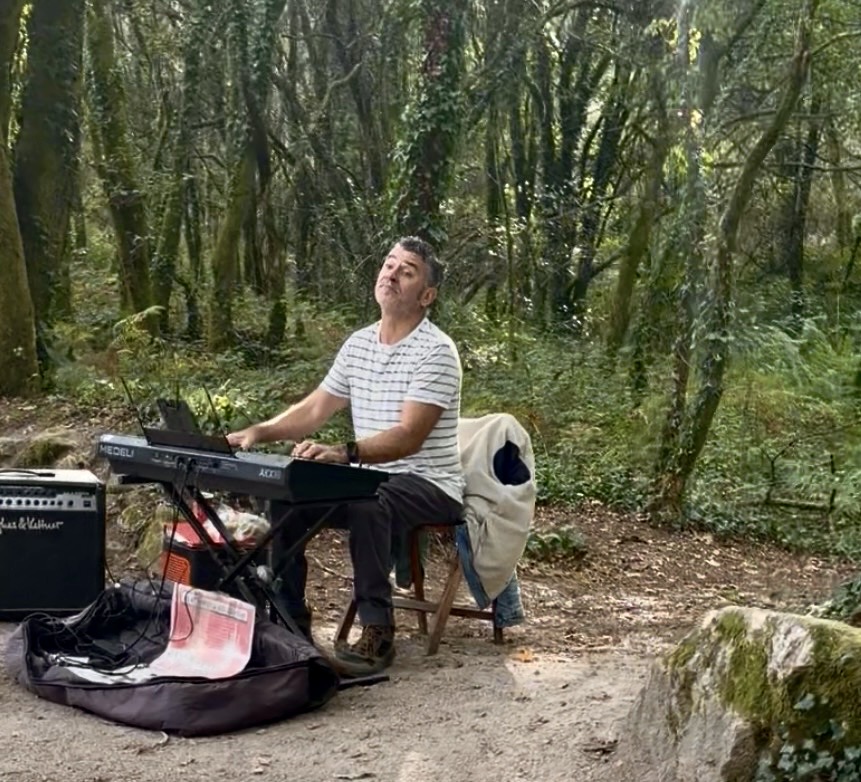
Since entering the single-digit stretch of our walk on the Camino de Santiago, I’ve stopped to listen to a pianist and guitarist. To take photos of my favorite road signs, trees and flowers. To talk to strangers.
Now I am sipping my water slowwwwly, as I would a fine wine.
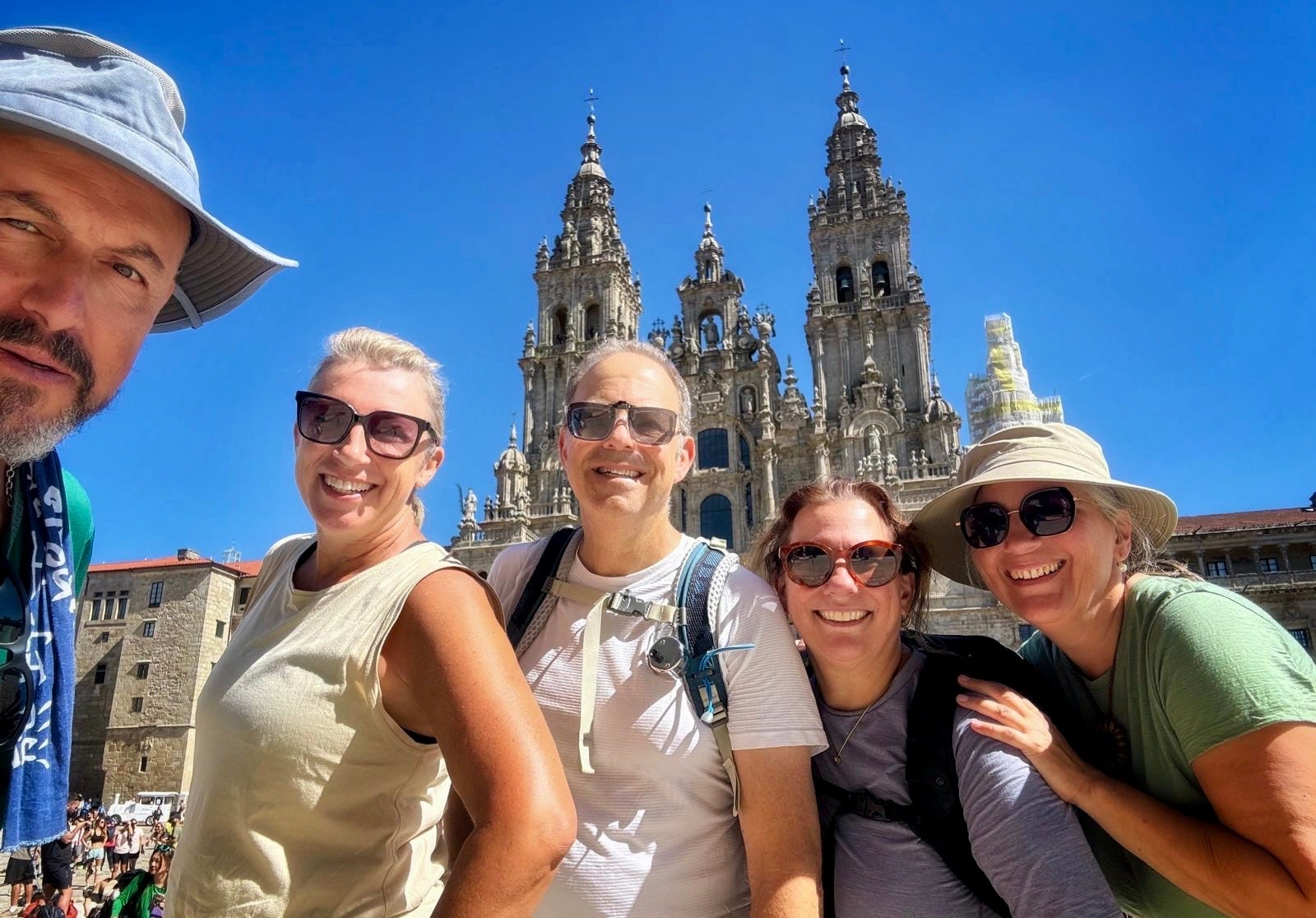
As excited as I am to reach the Cathedral in Santiago de Compostela and regroup with my friends, I also don’t want it all to end.
If we were horses, we’d be running to the barn.
All of us have spent days and weeks walking toward something. Now that it’s finally within reach, we are reluctant to get there.
Eight days earlier, I sat down for an afternoon coffee with Nuno. A partner with Walking Mentorship, he designed the one-week path we will walk—a variation of the Camino’s Portuguese Coastal route.
Nuno has walked this stretch more than 20 times. He’s constantly tweaking. I fully trust his curation. He connects us to local people, food and landscapes; he also connects our physical journey to the Walking Mentorship methodology.
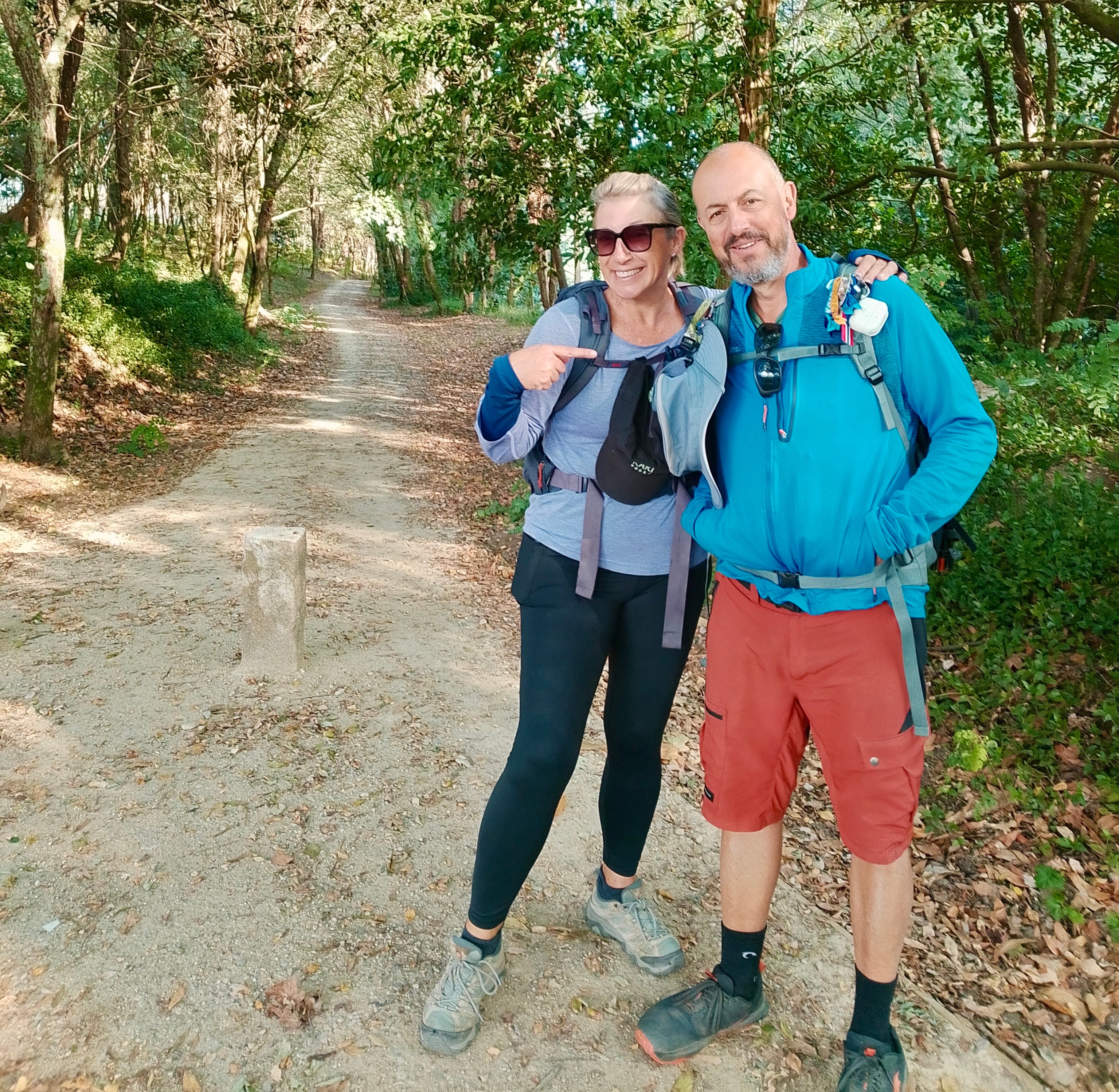
This will be my third Walking Mentorship walk. This time, I join as a walking mentor. So Nuno points out the basics of the route and overnight stops on Google Maps. We discuss kilometers, backpacks and logistics.
As leaders, these topics are necessary. They’re the questions people obsess about.
Yet they are among the least interesting parts of walking the Camino.
The sun rises late in Spain this time of year, making for a stunning first hour of walking. “Golden Hour” happens twice a day. Our small group becomes addicted to the first one.
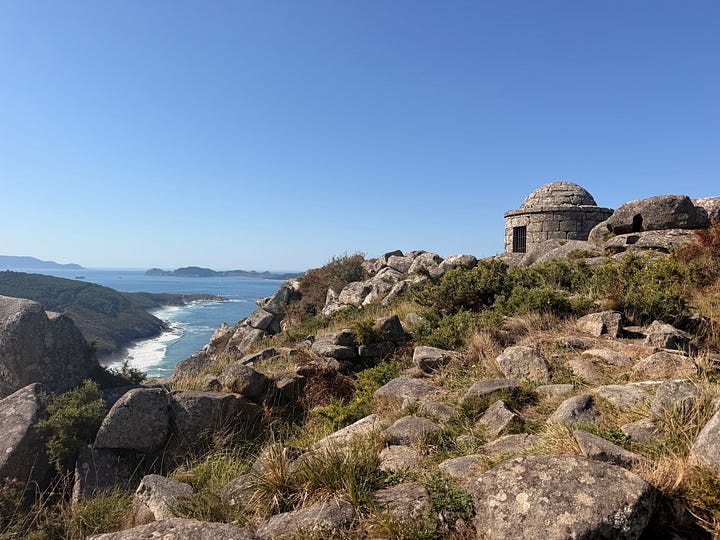
Over the course of a week, we walk 2,000-year-old paths and explore ancient ruins. We change into swimsuits and jump into the cool Atlantic. Some of our most beautiful paths follow rivers through inland forests; some of our most memorable follow long stretches of nudist beach.
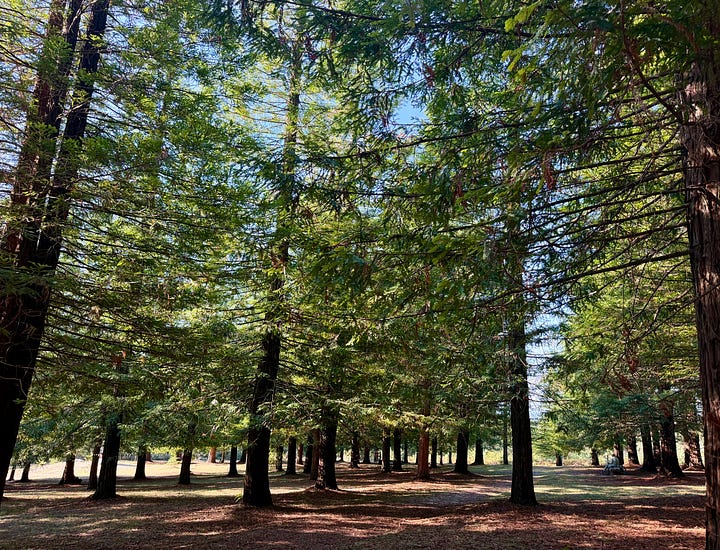
We pause in a grove of sequoia trees and complete an exercise connecting the dots across the decades of our lives. We rest on shaded oceanfront walls and write letters to ourselves from 10 years in the future.
Our meals are drenched in seafood. Black ink cuttlefish is a surprise; pulpo and scallops become daily delights. We put aside our empty scallop shells because Sylvia is collecting them. We learn each other’s drink orders. Sharing the highlight of our day at dinner becomes a ritual without anyone declaring it one.
Mornings are easy. Someone else is making the coffee and cutting the fruit. With only a midsize backpack, getting dressed and heading out is a breeze.
Our world has become beautifully simple.
Walk. Eat. Talk. Sleep.
I notice how much more I am noticing—the geometry of nature. My obsession with natural stone. A childhood memory. My desire for solitude while walking through the forest.
I make a promise to myself: keep noticing.
It’s late afternoon and Nuno orders us a taxi. He’s chatting away with the driver as we wind around yet another bend, climbing a mountain. Where on earth are we staying tonight?
The taxi pulls over in a clearing. There’s a lookout point, but not a building in sight. Nuno motions us out of the car, then looks at me. “Someone needs to complete their treasure hunt.”
My friend Michelle walked this same path last spring. Knowing I would be here in the fall, she hid a special stone for me along the trail. She sent me a photo of its hiding place with the instructions: “Ask Nuno.”
Nuno recognized the location from the photo. But he had since tweaked our route—hence the taxi diversion.
With his prompting, I find the purple stone hidden in a crack between two boulders. I squeal like a child at an Easter egg hunt.
I love that Michelle left this gift for me, and that Nuno made sure I found it.
Michelle will walk this route again next spring. I don’t know yet what I’ll leave for her, or where. But the treasure hunt must continue.
The next morning, a sign marks our path: Ruta da Pedra e da Auga (Route of Stone and Water). It’s a moss-covered river trail winding past dozens of historic abandoned watermills.
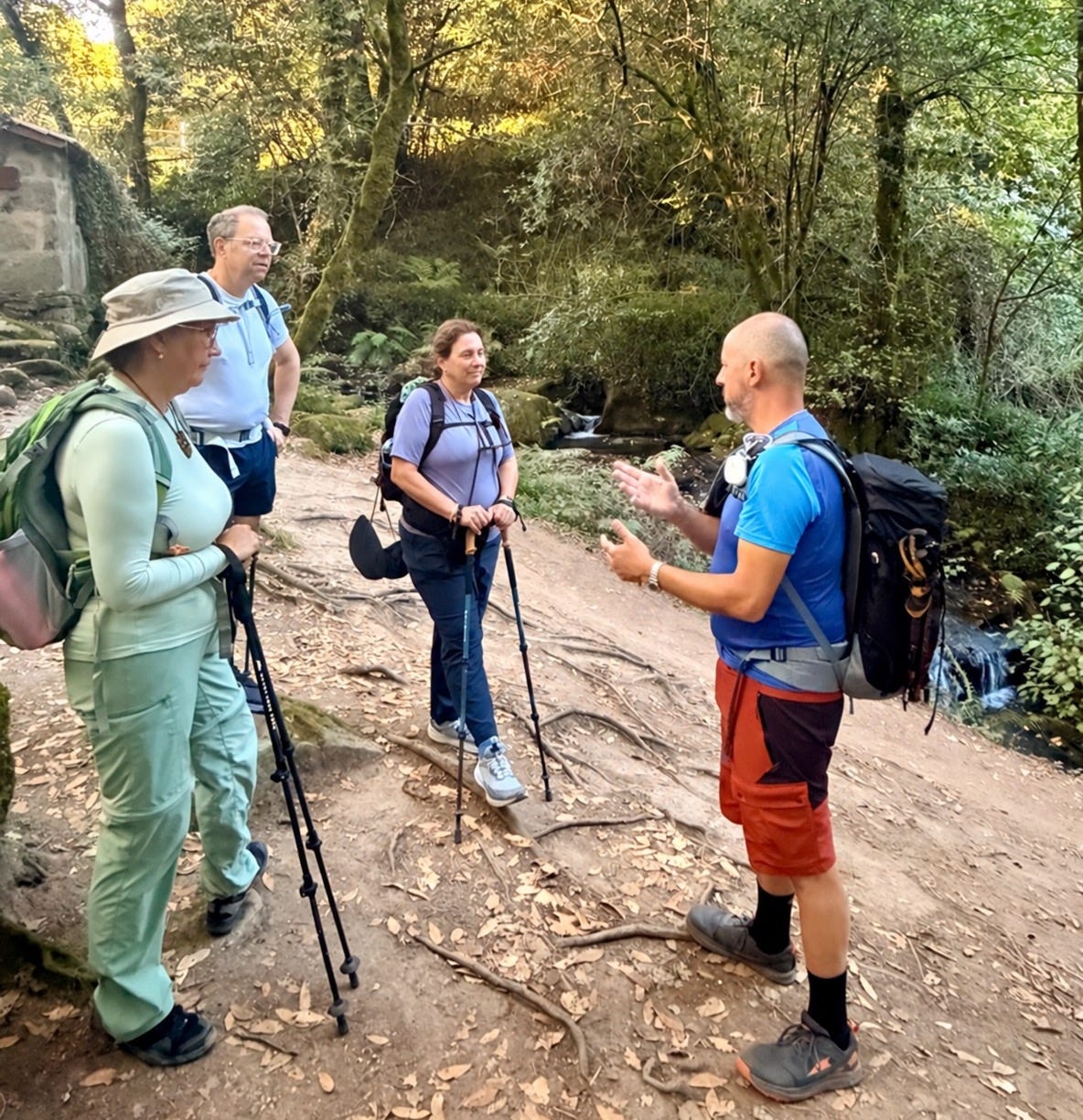
I purposefully stay back from the group and walk alone. I remember feeling hyper-aware of sound and thought.
And feeling more like me than I had in a long time.
Two hours later, we emerge from the forest. The late-morning sun lights up hydrangeas in a fall mix of fresh blue and dusty brown. Alongside us, grapevines rise to overhead trellises.
I see a man trimming clusters of white grapes. He works carefully, attentive and unrushed. His car is parked beneath the vines behind him, as if he’d just rolled in for a quick trim.
I slow down, then stop. Something is pulling me to talk to this man.
“Pardón, señor.” I scramble to remember simple words like “harvest” in Spanish. He walks over, and we continue in Galician Spanglish and hand gestures.
“Qué vino?” I ask.
“Albariño!”
I know we are in Albariño land, but this is my first time seeing the grapes in the wild. Albariño has been my favorite white wine since I walked my first Camino three years ago. This week, it has been the regular accompaniment to our pulpo and other Galician seafood.
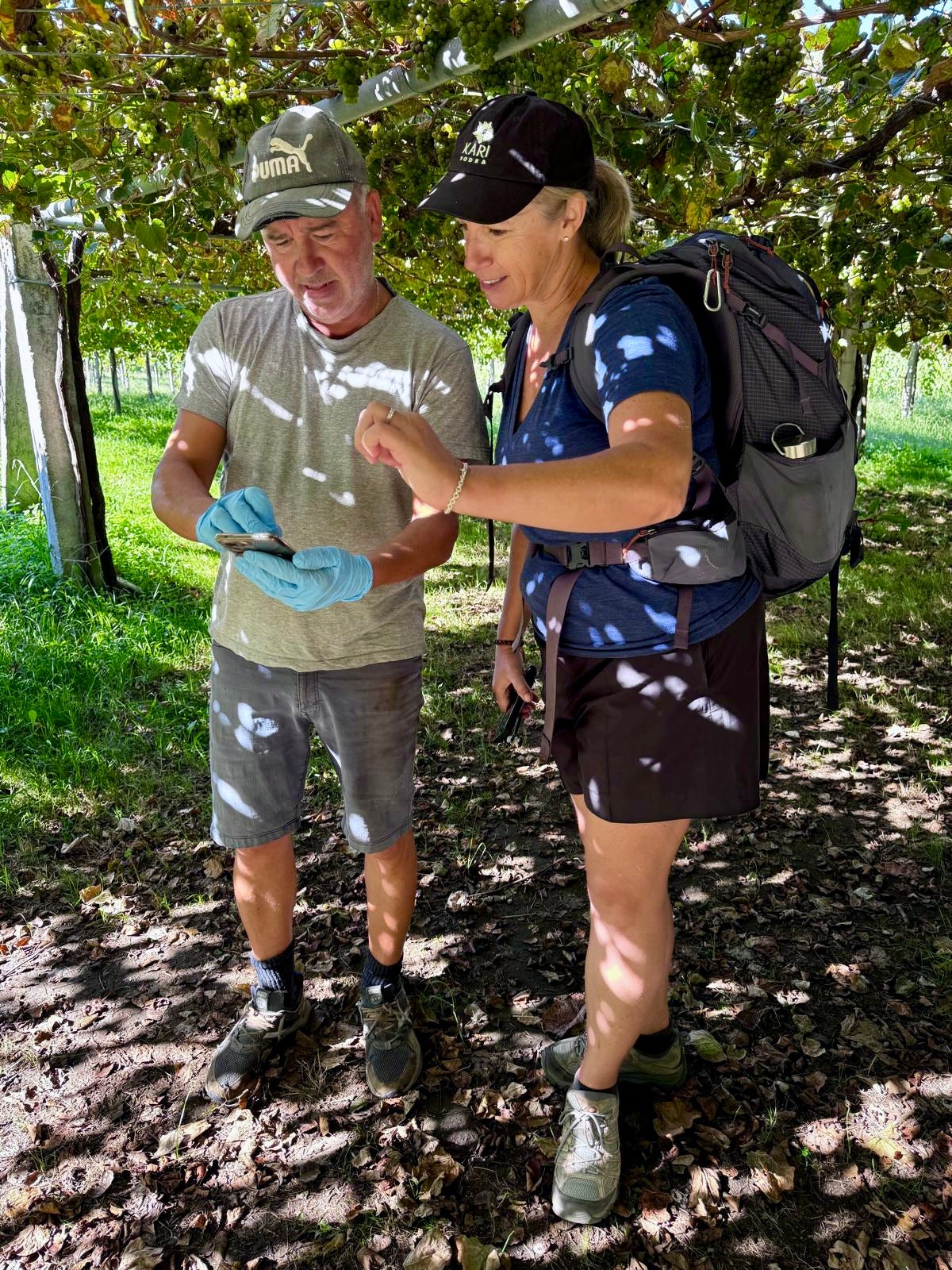
My new friend Fernando pulls out his phone and shows me a photo of a wine bottle.
“Martín Códax!” he exclaims.
“Ahh—I drink, I drink!”
Of all the Albariño producers, this is the one I know. Martín Códax is a regular in my refrigerator during the summer back home. I tell Fernando a bottle costs about $20 in the U.S.
My friend Tanya joins us from the trail. I catch her up.
Fernando explains that he works for a cooperative that supplies the winery. About 30–40% of Martín Códax wine is exported. He recommends we visit the winery and its incredible views. We have no idea whether it’s on our route, but Tanya saves it to her map.
He asks where we are from. “San Francisco in California. But no Albariño in California.”
Fernando corrects me. There is Albariño in California.
Now I have a treasure hunt for my return home.
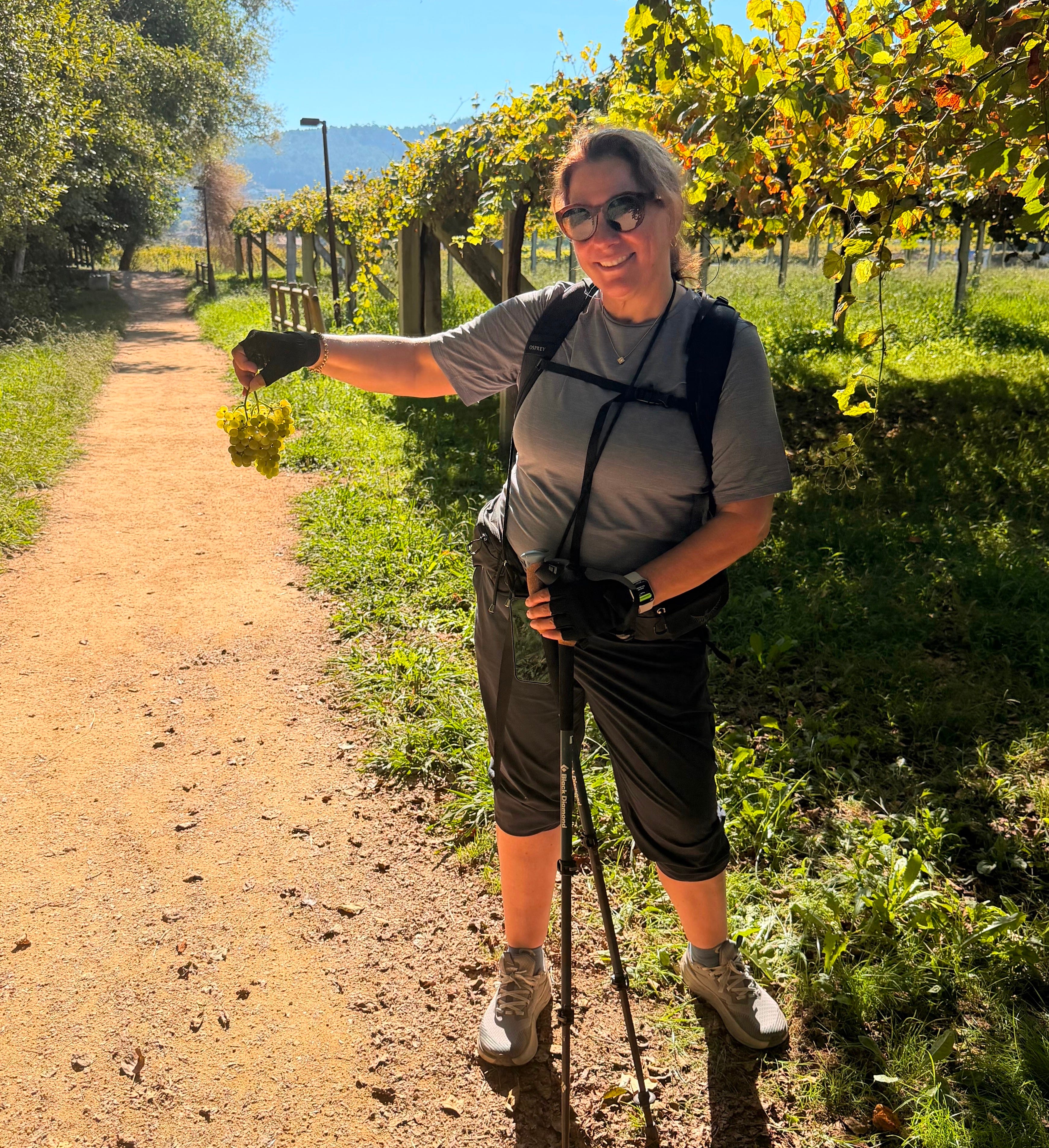
We really should go. Our group is ahead and likely waiting for us.
But I marvel at the moment. It’s not every day you stumble upon the source of a product you love. And Fernando seems equally tickled to meet a happy consumer at the other end of the supply chain, halfway around the world.
Tanya’s husband has turned around to look for us.
“Looking for your wife?” a woman who must have walked past us asks him. He nods.
“She and her friend are back there buying a vineyard.”
“Sounds right on brand for those two.”
I talk a lot about Camino Magic. It often looks like coincidence.
I’m beginning to think it’s curiosity.
On our last day, I stop at a Camino’s signpost. Sitting on top is a bent piece of metal.
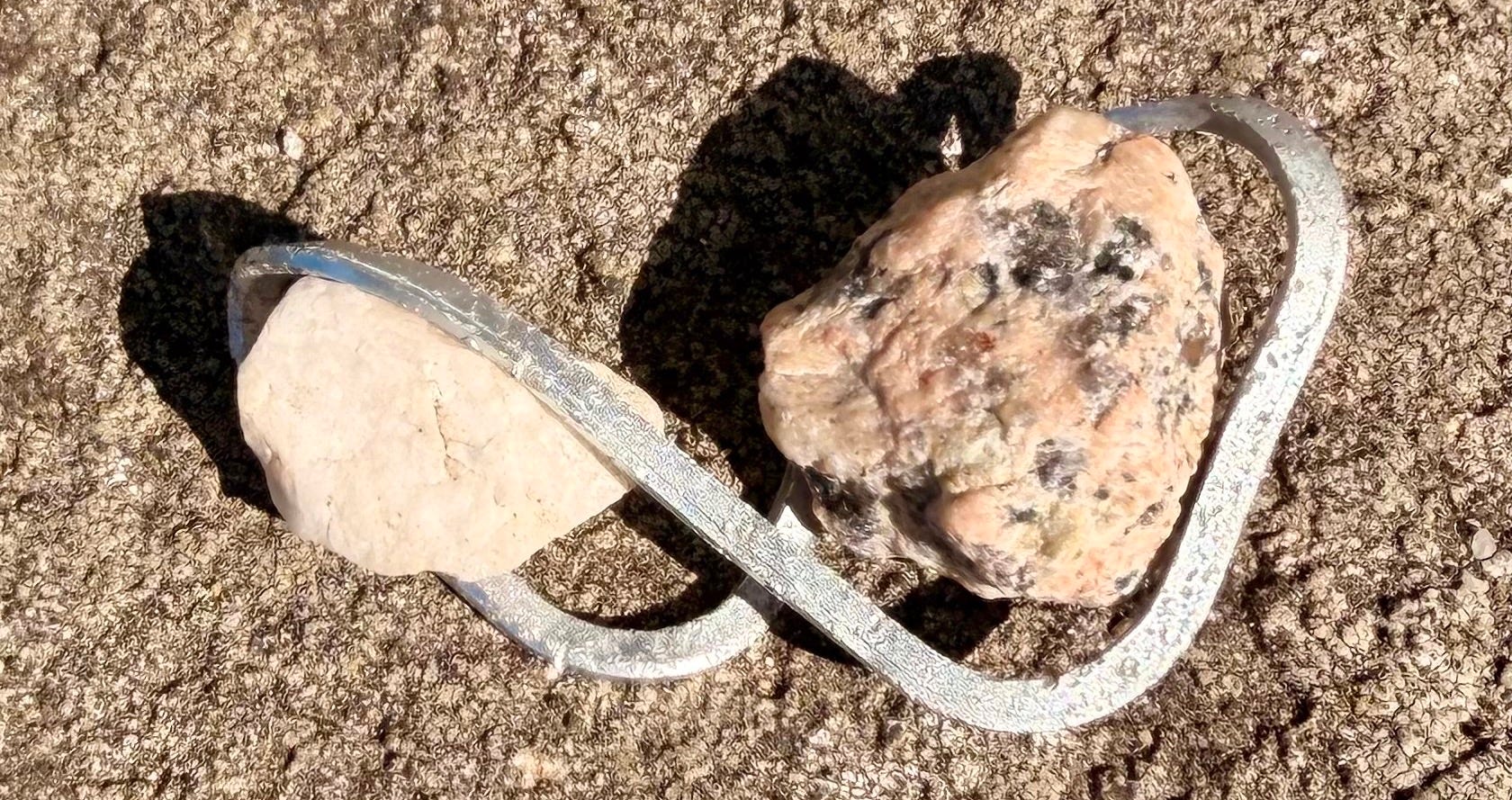
To me, it looks like an infinity symbol. I pick it up. The two stones in my pocket lodge into the two loops perfectly.
Michelle will walk this path again next spring. Now I know what I’m leaving behind.
Whether the distance is 500 kilometers or 100, every pilgrim begins the Camino thinking about arriving at the Cathedral.
Then in those final kilometers, a movie starts playing in my head.
Fernando and his grapes. The purple stone tucked between two boulders. Golden mornings. Cold swims. Long dinners. Walking alone through the forest and feeling completely, unmistakably me.
I eventually finish sipping my water and leave the two women behind.
The Cathedral is waiting. So are my friends.
And I’m excited to get there.
Ready to enjoy your own venture on the Camino de Santiago? Message me (Jodi@JodiMorris.co) to join the wait list.
Discover more from Jodi Morris
Subscribe to get the latest posts sent to your email.
